Introduction
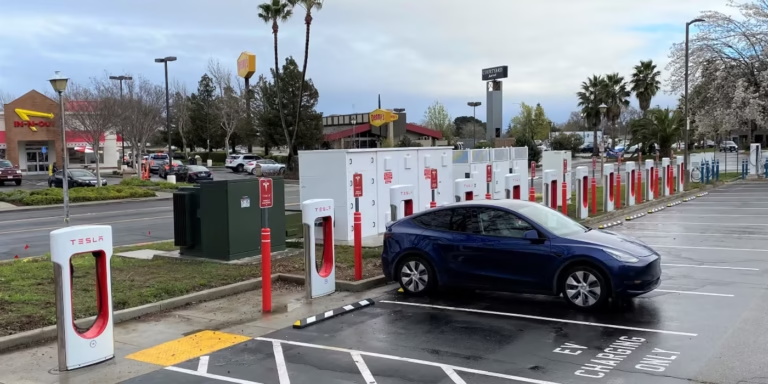
The rollout of electric vehicle (EV) chargers funded by the federal National Electric Vehicle Infrastructure (NEVI) program has seen a significant acceleration in 2025. However, according to a recent report, this progress is still hindered by numerous federal obstacles, delaying the accessibility of clean transportation options for Americans.
Overview of NEVI Program
The NEVI program was established as part of the Biden administration’s broader strategy to bolster electric vehicle infrastructure across the country. The goal is to facilitate the installation of charging stations to support the growing number of electric vehicles on the road. With a federal investment aimed at overcoming initial slowdowns, the program has started to gain momentum in 2025.
Progress Made in 2025
The acceleration in charger installations reflects a concerted effort by the federal government and local agencies to meet the increasing demand for EVs. By streamlining the approval processes and allocating more resources, there have been notable improvements:
- Increased Installation Rates: The number of EV chargers installed has markedly increased, contributing to the nationwide network.
- Funding Allocations: Significant federal funds have been deployed to support diverse charging infrastructure projects.
- Community Engagement: Local communities have begun to engage more actively in promoting EV adoption and infrastructure expansion.
Challenges on the Horizon
Despite the positive shifts, challenges remain that undermine the speed and effectiveness of the rollout. The report highlights several key areas of concern:
- Federal Red Tape: Bureaucratic hurdles continue to cause delays in project implementation, affecting local agencies’ ability to quickly set up EV chargers.
- Permitting Issues: Complicated zoning regulations and lengthy permit processes can stall installations for months, even years.
- Funding Limitations: While funding has increased, it is still not sufficient to cover all necessary installations, leading to disparities across regions.
Importance of Expedited Infrastructure
The development of a comprehensive EV charging infrastructure is critical for promoting electric vehicle adoption and reducing greenhouse gas emissions. A faster rollout not only meets the demands of consumers eager to transition to cleaner vehicles but also aligns with national goals to combat climate change.
Conclusion
In summary, while the NEVI program has successfully accelerated the rollout of EV chargers in 2025, persistent federal roadblocks continue to challenge the expansion efforts. Addressing these issues is essential for ensuring that all Americans can access clean transportation options swiftly and effectively.